

Why Choosing Safe and Non-Toxic Toys is Essential for Your Child’s Health
Toys are an essential part of a child’s growth and development. They stimulate creativity, enhance motor skills, and encourage learning. However, not all toys are safe. Many mass-produced toys contain toxic chemicals that can pose serious health risks to children.
As a parent, it’s crucial to choose safe and non-toxic toys that promote both fun and well-being. In this blog, we will explore why toy safety matters, the dangers of toxic toys, and how you can make the right choices for your child.
Why Choosing Non-Toxic Toys Matters for Your Child’s Health
Since children tend to put toys in their mouths, exposure to toxic chemicals can happen unknowingly. Choosing safe and non-toxic toys can protect your child from various health risks, including:
1. Reducing the Risk of Allergies and Respiratory Issues
✔️ Non-toxic, BPA-free, and hypoallergenic materials prevent skin rashes, breathing problems, and allergic reactions in children.
✔️ Toys made from natural wood, organic cotton, and food-grade silicone are the best alternatives for children with sensitive skin.
2. Preventing Developmental and Neurological Disorders
✔️ Exposure to lead, mercury, and cadmium has been linked to delayed brain development and cognitive impairment.
✔️ Safe toys made from eco-friendly materials ensure that children’s mental and motor skills develop properly.
Why Parents Prefer Renting Toys
Children love toys, but parents know the struggle of buying expensive toys that kids quickly stop playing with. Many homes are filled with unused toys, and parents keep spending money on new ones. This is why renting toys is becoming a popular choice. It helps parents save money, keeps children happy with new toys regularly, and reduces waste.
1. More Toys for the Same Budget
Buying toys can be expensive. A single high-quality toy can cost a lot, and children often get bored with it quickly. Renting allows parents to provide more toys for their children without spending too much. Instead of buying one expensive toy, they can rent multiple toys for the same amount. This means children always have something new to play with.
2. Keeps Children Interested
Children love variety. They get excited about new toys but quickly lose interest. Renting solves this problem. Parents can swap old toys for new ones regularly, keeping playtime fun and exciting. Kids get to try different types of toys without parents worrying about waste or storage.
3. No More Clutter at Home
Many parents struggle with too many toys taking up space. Over time, homes get filled with toys that children don’t play with anymore. Renting toys helps keep the house neat. Once a toy is no longer needed, parents can return it and get another one. This reduces mess and makes it easier to organize the home.
How Toys Teach Kids Patience, Sharing, and Teamwork
Toys are more than just playthings. They help children learn important life skills, including patience, sharing, and teamwork. These social skills shape how kids interact with others, solve problems, and handle emotions. The right toys encourage children to wait their turn, cooperate, and work together—skills that will help them in school, friendships, and future jobs.
1. How Toys Teach Patience
Patience is not something kids are born with—it’s something they learn over time. Certain toys and games help children practice waiting, following rules, and handling frustration.
Toys That Teach Patience:
- Puzzles: Kids must take their time to figure out where each piece goes. They learn to stay focused and not rush.
- Board Games: Games like Snakes & Ladders, Ludo, and Monopoly require kids to wait for their turn. This helps them understand that good things come with patience.
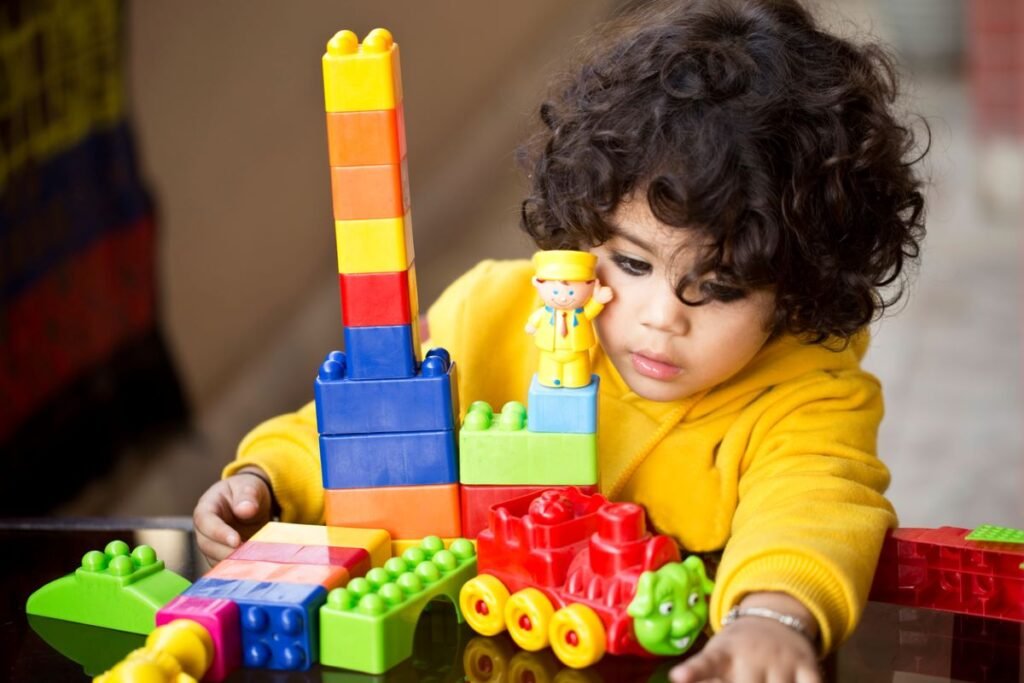
- Building Blocks and LEGO: When kids build structures, they learn that success takes time and effort. They must carefully place each piece instead of rushing.
Example: When a child is solving a puzzle, they may feel frustrated if they can’t find the right piece. But as they keep trying, they learn that patience leads to success.
2. How Toys Teach Sharing
Sharing is an important skill that helps kids make friends, build relationships, and work well with others. Many toys encourage kids to take turns, give others a chance, and play fairly.
Toys That Teach Sharing:
- Dolls and Pretend Play Sets: Kids learn to share dolls, kitchen sets, doctor kits, or toy vehicles while playing with friends or siblings.
- Art and Craft Kits: Coloring books, crayons, and clay sets teach kids to share materials and work together on creative projects.
- Ride-on Toys and Swings: When kids play outside with tricycles, slides, or swings, they learn to take turns and wait for others to finish.
Fun Toys That Keep Kids Away from Screens
In today’s world, kids are spending more time on screens than ever before. Whether it’s watching cartoons, playing video games, or using tablets for school, screen time has become a big part of their daily routine. But too much screen time can cause eye strain, affect sleep, and even impact social skills.
The good news is that fun and engaging toys can keep kids entertained while helping them learn and grow. Here are the top 10 toys that encourage creativity, physical activity, and fun—without screens!

Building Blocks & LEGO Sets
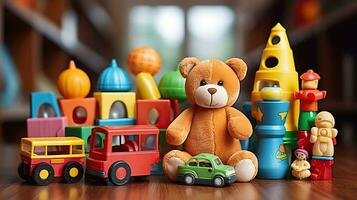
Nothing beats the fun of building and creating! Blocks and LEGO sets help kids use their imagination while improving problem-solving skills. They can build houses, cars, towers, or anything they dream of. It’s also a great way to develop fine motor skills and patience.
Best for: Ages 3 and up

Board Games & Card Games
Games like Ludo, Snakes & Ladders, Monopoly, UNO, and Scrabble bring families together while keeping kids away from screens. These games teach strategy, teamwork, and patience, and they are a great way to have fun with friends and family.
Best for: Ages 5 and up

Puzzle Sets
Puzzles are a great way to boost brain power while keeping kids engaged for hours. Whether it’s a jigsaw puzzle, 3D puzzle, or wooden shape puzzle, kids love solving them. Puzzles improve focus, memory, and logical thinking.
Best for: Ages 4 and up

Art & Craft Kits
Let kids explore their creativity with coloring books, sketchpads, DIY craft sets, painting kits, or clay modeling. These activities keep children busy while improving hand-eye coordination and imagination.
